Uncontested Divorce in Ontario: When a Spouse Does Not Respond
Uncontested Divorce in Ontario: When a Spouse Does Not Respond
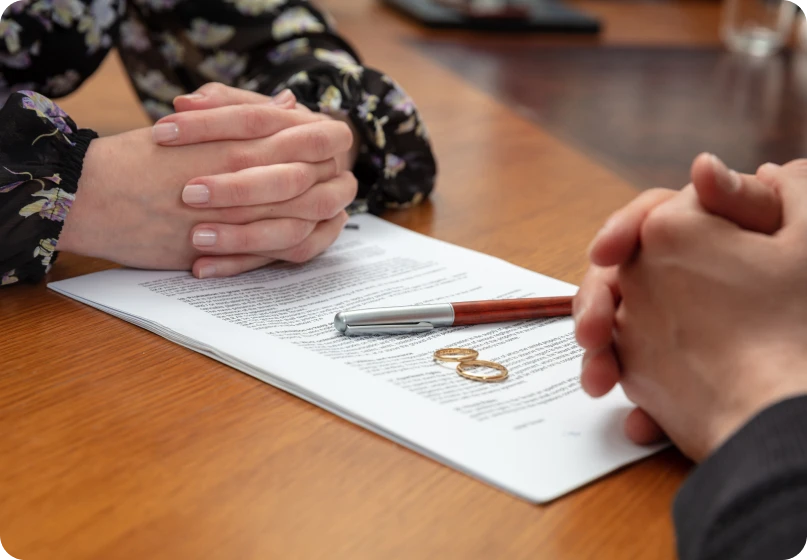
Divorce can feel overwhelming, but many separations in Ontario are resolved without conflict or lengthy court battles. An uncontested divorce is often the simplest, fastest, and least stressful path — whether both spouses agree to end the marriage or one spouse simply does not participate in the process at all.
This article provides a general overview of uncontested divorces in Ontario. It is not a substitute for legal advice.

What Is an Uncontested Divorce?
A divorce is considered uncontested when one spouse files for divorce and the other does not file an Answer, or when both spouses file a joint application agreeing to end the marriage.
In either case, the divorce proceeds without any dispute over whether the marriage should end.
Grounds for Divorce in Canada
Under the Divorce Act, you must establish one of three legal grounds for divorce:
- The spouses have lived separate and apart for at least one year;
- Adultery; or
- Cruelty.
The most common and straightforward ground — and the one overwhelmingly preferred by Ontario courts — is that the parties have lived separate and apart for one year immediately preceding the divorce proceeding and were living separate and apart at the time the proceeding began. This is a true no-fault ground.
While adultery and cruelty remain technically available, they are rarely used in modern practice. Alleging fault often creates unnecessary conflict, increases costs and delay, and frustrates the court. Judges strongly prefer the one-year separation ground unless there are truly exceptional reasons to proceed otherwise.

Corollary Issues: What They Are and Why They Matter
When granting a divorce (contested or uncontested), the court must be satisfied that all “corollary issues” have been properly addressed. These are all matters other than the divorce itself, including:
- Residence of (or parenting time with) the children
- Decision-making responsibility for the children
- Child support (including section 7 expenses)
- Spousal support
- Division of property and debts
- Possession of the matrimonial home
Ontario courts can “sever” the divorce from the corollary issues, granting the divorce first and resolving the remaining matters later. This is common when a party needs the divorce urgently (for example, to remarry) and the parties consent to severance.
Important note regarding children: When children are involved, the court will not grant the divorce until proper arrangements for them are in place — even in a fully uncontested case. The judge conducts an independent review to ensure:
- Child support complies with the Child Support Guidelines (or any deviation is clearly justified);
- Parenting arrangements serve the best interests of the children; and
- All required child-related information has been fully disclosed.
If these requirements are not met, the divorce will be refused, even if the other spouse has not responded.

How the Process Works When the Other Spouse Does Not Respond
- The Applicant files an Application for divorce based on one year of separation.
- The Respondent is served with the Application and supporting documents.
- If the Respondent does not file an Answer within the required timeframe, the matter proceeds as uncontested.
- The Applicant files the required Affidavit for Divorce (in the prescribed family law form) along with supporting documents, including the marriage certificate.
- A judge reviews the entire file in chambers — no court appearances are required.
- If all requirements are met — especially those involving children — the divorce is granted.
Once the Divorce Order is issued, it becomes final after 31 days. At that point the parties are legally divorced. A Certificate of Divorce can then be obtained from the court and serves as official proof that the marriage has been dissolved. This certificate is usually required if either party wishes to remarry.
 905-332-9779